
Cancer is no longer a distant concern. It is rising rapidly across India — and it is arriving younger, faster and more silently than ever before.
In a deeply important conversation on HJ Show, Dr. Mansi Sandip Shah — Consultant Medical Oncologist at HOC Vedanta Hospital, Ahmedabad — broke down everything that every woman, every family and every informed individual must understand about women’s cancers in India today.
Why Breast Cancer Cases Are Rising So Fast
Breast cancer is now the most common cancer in India — across both men and women. And in urban populations, the numbers are deeply concerning.
The reasons are not mysterious. They are lifestyle-driven. Ultra-processed food consumption has increased dramatically. Sedentary work culture — long hours at desks and laptops — has replaced physical activity. Obesity is rising. Women are having children later, which increases cumulative estrogen exposure in the body. Breastfeeding durations are getting shorter. Air pollution is an underrated but significant contributing factor.
In rural India, where organic food and physical activity remain more common, the incidence is significantly lower. The gap between urban and rural breast cancer rates tells a clear story about the price of modern urban lifestyle.
The Most Dangerous Misconception
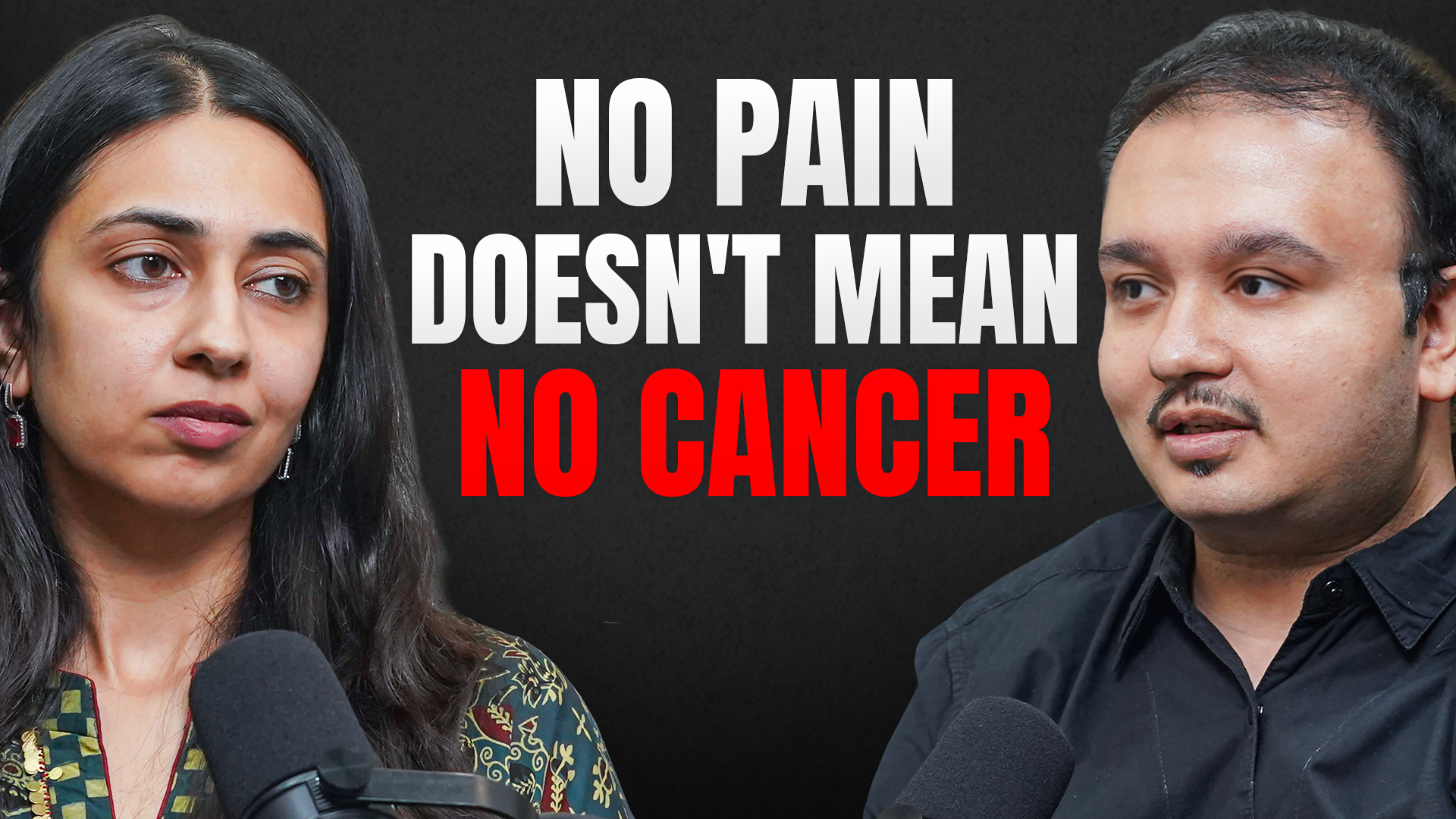
The most dangerous misconception surrounding breast cancer — and the one Dr. Mansi addresses most firmly — is this: if there is no pain, there is no problem.
In reality, a painless lump is the most common early sign of breast cancer. The absence of pain does not mean the absence of disease. In fact, when pain does appear, it often signals a more advanced stage.
Women who discover a lump and assume it is harmless because it does not hurt are the very cases that arrive late — when treatment becomes more complex, more extensive and harder to reverse.
Know Your Body — Self Examination and Screening
The good news is that breast cancer, when detected early, is highly curable. Stage one breast cancer carries a cure rate of 95 to 97 percent. Stage two remains between 70 and 80 percent. The earlier the detection, the simpler the treatment and the better the outcome.
Dr. Mansi recommends that women begin self breast examination from the age of 30 — once a month, either lying down or in the shower. Familiarity with your own body is the first line of defense.
From the age of 35, a clinical breast examination with a trained healthcare professional is advisable. And from 40, mammography — the gold standard screening tool — should become a regular part of healthcare, either annually or every two years.
For women with a strong family history of breast or ovarian cancer, all of these timelines shift earlier. A simple blood test — the BRCA1 and BRCA2 genetic test — can reveal whether a hereditary mutation is present. If it is, proactive screening and preventive measures become even more critical.
Ovarian Cancer — The Silent Killer
If breast cancer is common and visible, ovarian cancer is its quieter, more dangerous counterpart.
Ovarian cancer is India’s third most common cancer in women. Its symptoms are vague, easy to dismiss and frequently confused with everyday digestive complaints — mild abdominal pain, recurring acidity, bloating, unexplained weight loss, persistent fatigue.
Because these symptoms do not immediately signal cancer to most people, ovarian cancer is frequently diagnosed at an advanced stage. By the time it is caught, treatment is more complex and outcomes are less predictable.
Family history, the BRCA1 and BRCA2 mutation, and late childbearing are all significant risk factors. Women who carry these genetic mutations face up to a 50 to 60 percent lifetime risk of developing ovarian cancer.
Dr. Mansi emphasises that knowing your family history is not optional — it is essential. A mother, grandmother, sister or aunt with breast or ovarian cancer changes your screening priorities entirely.
Cervical Cancer — The One That Can Be Prevented
Among all cancers discussed in this episode, cervical cancer stands apart for one powerful reason — it can be prevented with a vaccine.
Cervical cancer is caused by HPV — the Human Papillomavirus — a viral infection that, in some women, progresses to cancer over time. It is more common in rural India, where hygiene infrastructure is less developed. It is India’s second most common cancer in women.
The HPV vaccine — available as Gardasil and Cervarix — protects against the strains of the virus most likely to cause cervical cancer. It is most effective when administered before sexual activity begins — ideally from the age of nine. But it remains beneficial up to the age of 45.
The Indian government has already launched vaccination drives offering the HPV vaccine free of charge to girls aged 14. This is a significant and commendable public health initiative — one that, if implemented effectively, could reduce cervical cancer cases dramatically over the coming decade.
Treatment — Demystifying Chemotherapy
One of the most significant barriers to early treatment-seeking is fear — specifically, fear of chemotherapy. The word alone carries decades of association with severe suffering.
Dr. Mansi reframes it simply. Just as antibiotics treat infection, chemotherapy treats cancer. It is a medicine — delivered intravenously — that targets cancer cells throughout the body. Side effects exist and vary by the type of chemotherapy used. Hair loss, for example, is common in breast cancer treatment but not universal. Advanced technologies like scalp cooling can significantly reduce it.
Immunotherapy — which uses the body’s own immune system to fight cancer — is an exciting and growing area of treatment, now being used across multiple cancer types including cervical and breast cancer.
The key message is this — treatment has advanced significantly. Cancer diagnosed today is not what it was two decades ago. Outcomes are better. Options are wider. And support is available.
Government Support and Health Insurance
Dr. Mansi is clear that financial barriers should not prevent anyone from seeking treatment. Government schemes — including the Maha Yojana card — provide free access to chemotherapy, surgery and radiation for eligible patients. These are real, accessible schemes that are actively helping thousands of patients across India.
Health insurance is equally non-negotiable. Before any investment, any EMI, any lifestyle upgrade — health insurance must be in place. One serious diagnosis without coverage can unravel years of financial planning overnight.
A Final Word
Cancer is not a death sentence. It is a diagnosis that demands action — early, informed and supported action.
The greatest gift you can give yourself and your family is awareness. Know the signs. Know your family history. Screen regularly. Take the vaccine. And never dismiss a painless lump.
As Dr. Mansi says — the best time to learn about cancer is before it arrives.

