
In today’s fast-changing world, students face pressures that previous generations rarely experienced. Academic competition is intense, expectations are high, and distractions are everywhere. Yet despite better technology and more resources, many students feel more anxious, confused, and overwhelmed than ever before.
In a thought-provoking episode of The HJ Show, host Harsh Joshi sits down with education mentor Setu Mistry to explore the deeper reasons behind student stress, career confusion, and the evolving challenges in modern education.
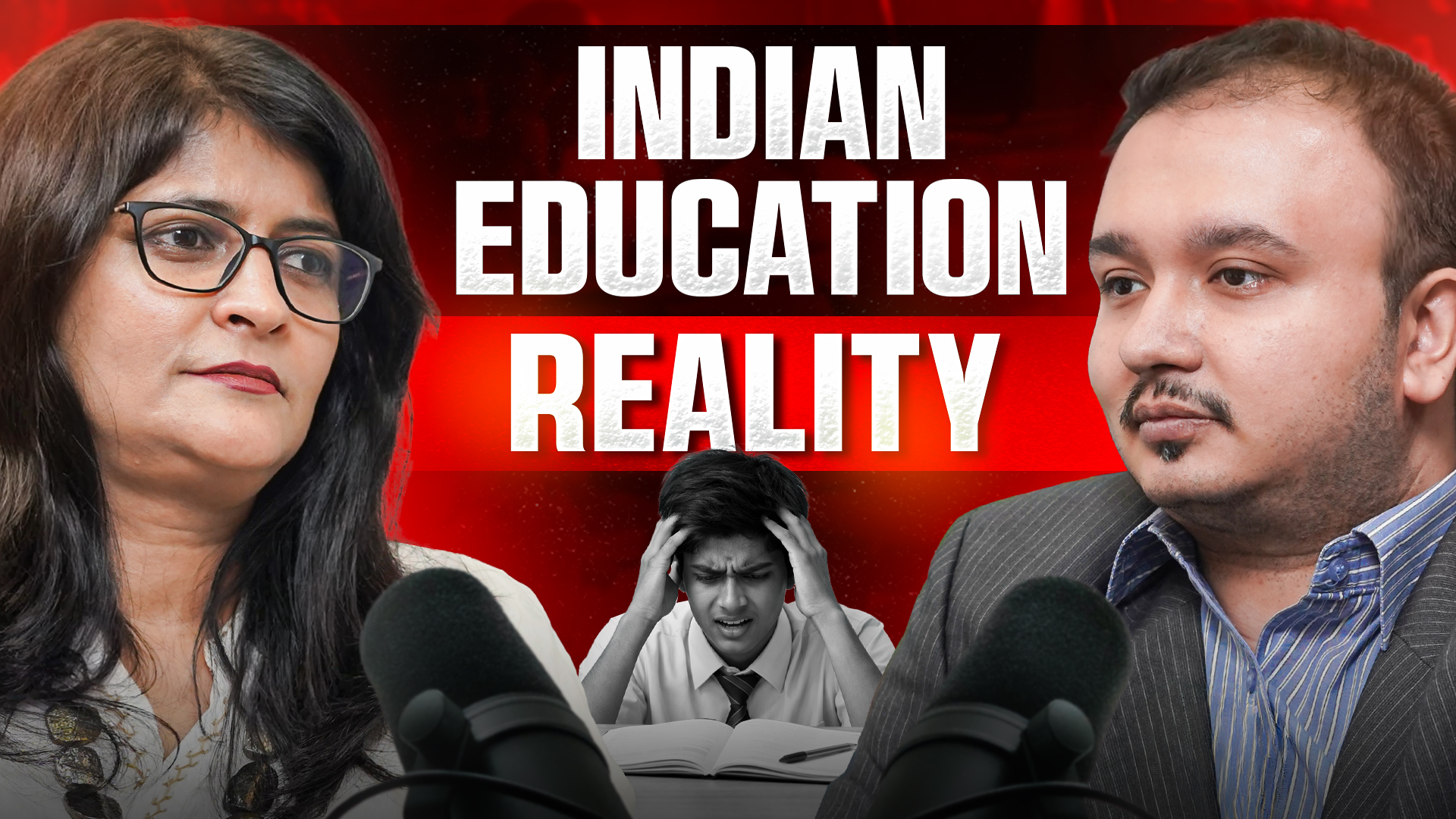
Setu Mistry is the Founder of Bridge Erudite Academy and Director of Academics at Shannon Global Program. With more than 20 years of teaching experience, she is a specialist in English academics and student mentorship, guiding thousands of students toward better communication skills, confidence, and career clarity.
In this insightful conversation, she shares practical observations from decades of working closely with students and parents.
Why Students Today Feel More Stressed
One of the central questions discussed in the podcast is simple yet important: Why are students today more stressed than previous generations?
According to Setu Mistry, several factors contribute to this growing stress.
First, lifestyle patterns have changed drastically. Students today live in a fast-paced digital environment filled with social media, mobile notifications, and constant online engagement. While technology has made learning more accessible, it has also created continuous distractions and reduced focus.
Second, the pressure to perform academically has increased significantly. Students often feel that their entire future depends on exam results, competitive rankings, or getting into prestigious institutions. This pressure can lead to anxiety, burnout, and self-doubt.
Another overlooked factor is nutrition and physical health. Many students today consume highly processed food and spend long hours sitting indoors. Poor nutrition combined with limited physical activity can result in fatigue, low energy levels, and difficulty concentrating.
When these elements combine—academic pressure, digital distractions, and declining physical health—they create a cycle that contributes to stress and frustration among students.
The Problem With the Current Education System
During the conversation, Setu Mistry raises an important concern: Has the education system evolved with changing times?
While technology, industries, and career opportunities have transformed rapidly, many aspects of the education system still remain outdated.
Traditional schooling often focuses heavily on marks, memorization, and exam performance. However, real-world success depends on much more than academic scores. Skills such as communication, critical thinking, creativity, and problem-solving are equally important.
Unfortunately, these skills are rarely prioritized in traditional education models.
As a result, many students graduate with strong theoretical knowledge but struggle when facing real-world challenges, career decisions, or workplace expectations.
This gap between academic success and practical readiness often leads to confusion and insecurity among young people.
The Burden of School and Coaching Culture
One of the most discussed topics in the episode is the school and coaching system that dominates modern education.
Many students attend school in the morning and coaching classes in the evening, leaving them with little time for rest, hobbies, or self-discovery. This constant cycle of classes, assignments, and exam preparation can become overwhelming.
Setu Mistry points out that students are essentially learning the same subjects twice—once in school and again in tuition classes.
This double academic load not only exhausts students but also takes away their childhood experiences. Activities like sports, music, arts, and creative exploration often get sidelined because academic performance becomes the only priority.
Over time, this imbalance can lead to frustration and emotional fatigue.
The Impact of Parent Expectations
Another important dimension discussed in the podcast is parental expectations.
Parents naturally want the best for their children, but sometimes expectations can unintentionally create pressure. In many families, parents already decide the career path for their children—whether it is engineering, medicine, or another prestigious profession.
When students struggle to meet these expectations, they may feel guilty or inadequate.
Even if parents do not express their pressure directly, children often sense the anxiety and worry around them. This emotional environment can influence their confidence, decision-making, and mental well-being.
Setu Mistry emphasizes that parents should focus on understanding their child’s strengths, interests, and personality, rather than forcing them into predefined career paths.
The Importance of Self-Discovery
A key theme of the conversation is the importance of self-discovery during student years.
Every child has unique talents and passions. Some may excel in sports, others in arts, writing, music, entrepreneurship, or communication. However, these talents can only develop if students are given the time and freedom to explore them.
When academic pressure dominates every aspect of a student’s life, opportunities for self-discovery become limited.
This lack of exploration can lead to long-term dissatisfaction because students may pursue careers that do not align with their natural abilities or interests.
According to Setu Mistry, education should help students discover who they are, not just prepare them for exams.
The Importance of Communication Skills
With her expertise in English academics and student mentorship, Setu Mistry highlights another critical factor: communication skills.
In today’s global environment, communication is not just about language—it is about confidence, clarity, and the ability to express ideas effectively.
Students who develop strong communication skills often perform better in interviews, presentations, leadership roles, and entrepreneurial ventures.
English fluency, in particular, has become an important skill for students who want to pursue global careers or collaborate internationally.
However, communication is a skill that requires practice, exposure, and guidance, something that traditional exam-focused education often neglects.
The Need for Skill-Based Education
Another important insight from the podcast is the shift toward skill-based education.
In the modern world, knowledge alone is no longer enough. Students must learn how to apply knowledge in practical situations.
Skills such as communication, teamwork, financial literacy, critical thinking, and problem-solving are essential for success in almost every career.
For example, financial literacy can help students understand investments, budgeting, and economic decisions early in life.
By integrating such practical skills into education, students can become more confident and prepared for the real world.
Rethinking the Future of Education
One of the interesting ideas discussed in the episode is the concept of integrated education models.
Instead of separating academics, skill development, and extracurricular activities, schools can integrate these elements into a balanced learning environment.
This approach reduces the need for additional coaching classes while giving students time to explore interests such as sports, arts, and creative activities.
When education supports both academic growth and personal development, students become more confident, curious, and motivated learners.
A Message for Students and Parents
The conversation between Harsh Joshi and Setu Mistry delivers a powerful message.
Education should not be a race driven by fear, pressure, or comparison. Instead, it should be a journey that helps young people discover their abilities, build confidence, and prepare for meaningful careers.
Parents, educators, and students all play a role in shaping this environment.
By focusing on balance, skills, curiosity, and personal growth, the education system can empower students not only to succeed academically but also to lead fulfilling and purposeful lives.
Watch Full Episode On Youtube
This insightful episode of The HJ Show encourages us to rethink how we approach learning, parenting, and career decisions in the modern world.

