
The technology industry has always been seen as one of the most promising career paths. For years, students in India have pursued engineering and computer science degrees believing that an IT job guarantees stability, growth, and high salaries. However, in recent times, many headlines and discussions have raised an important question: Are IT jobs disappearing because of Artificial Intelligence, or is there a deeper issue?
In a thought-provoking episode of The HJ Show, host Harsh Joshi speaks with IT mentor and industry expert Bhavesh Atara, founder of CloudFolks Hub. With over 25 years of experience in IT certification training and mentoring thousands of students, Bhavesh shares insights into the current reality of the IT industry, the skill gap between college education and industry expectations, and how aspiring professionals can prepare themselves for the future.
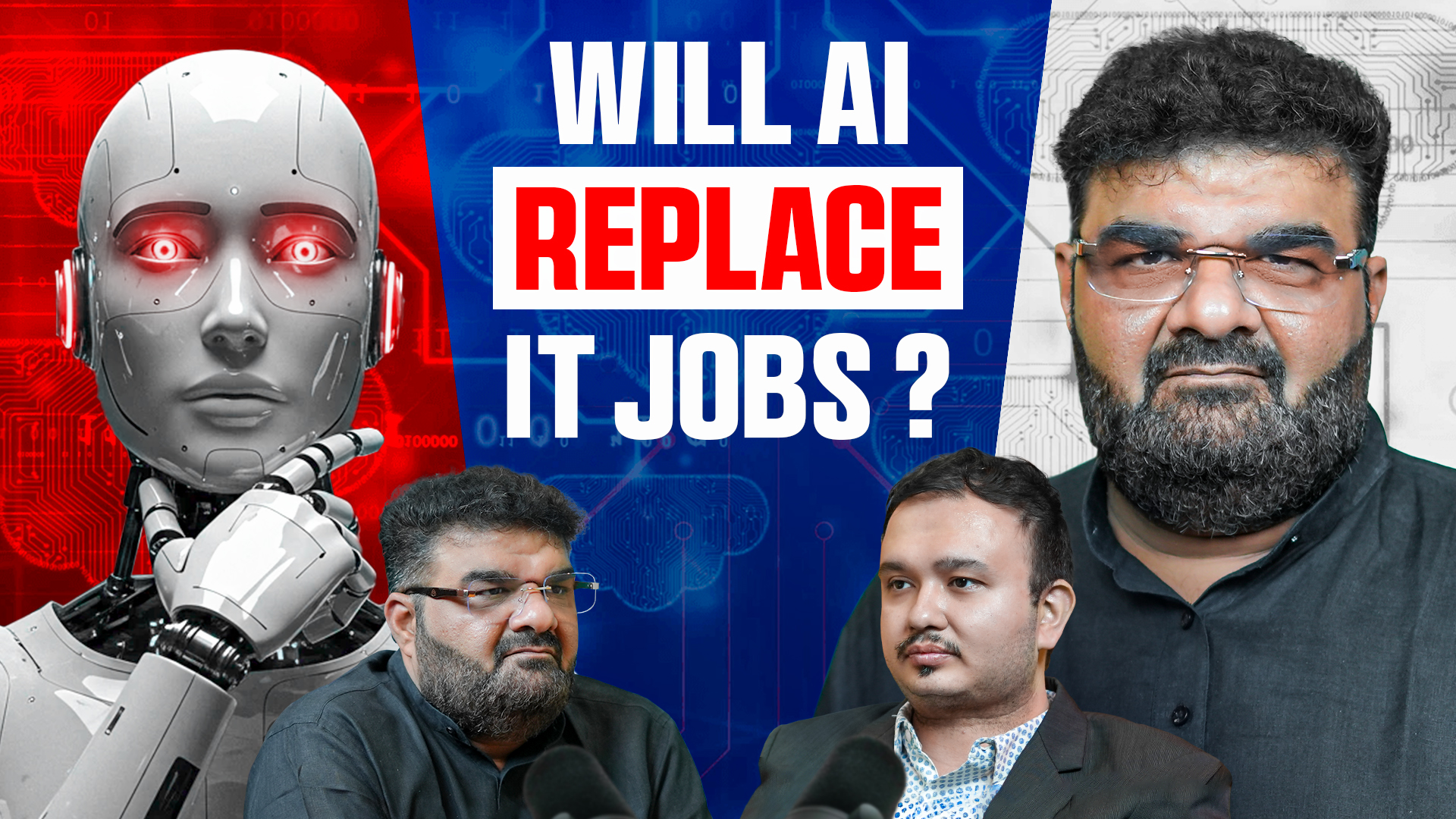
This episode sheds light on the challenges facing students and professionals in the tech sector and provides practical guidance on building a successful career in fields such as Cloud Computing and DevOps.
The Reality of IT Unemployment in India
Despite the massive demand for technology solutions worldwide, many fresh graduates in India struggle to secure IT jobs. Every year, thousands of students graduate with degrees like BTech, BCA, and MCA, yet companies frequently say that candidates are not “job-ready.”
According to Bhavesh Atara, the issue is not necessarily a lack of jobs but rather a gap between what universities teach and what the industry actually needs. Many college curricula still focus on outdated technologies or theoretical knowledge that does not reflect current market requirements.
As a result, companies often have to spend months retraining new employees, which increases costs and reduces productivity. This is why many organizations now prefer hiring candidates who already possess practical skills, certifications, and real-world project experience.
The Skill Gap Between College and Industry
One of the biggest challenges discussed in the podcast is the skill gap between university education and industry expectations.
Most academic institutions emphasize theoretical knowledge and examinations. While these are important, the IT industry values hands-on experience with tools, platforms, and real-world scenarios. Technologies evolve rapidly, and what was relevant five years ago may no longer be in demand today.
Students who rely solely on their degree often find themselves unprepared for interviews or job responsibilities. In contrast, those who actively learn new technologies, work on projects, and pursue industry certifications have a much higher chance of landing good roles.
Bhavesh emphasizes that students should start building practical skills while still in college, rather than waiting until after graduation.
Cloud Computing vs DevOps: Understanding the Difference
One of the key topics explored in the conversation is the difference between Cloud Computing and DevOps, two fields that are often mentioned together but serve different purposes in the IT ecosystem.
Cloud Computing focuses on delivering computing services such as storage, servers, networking, and databases over the internet. Companies use cloud platforms to scale applications quickly and efficiently without investing heavily in physical infrastructure.
DevOps, on the other hand, is more about the process and culture of software development and deployment. It focuses on collaboration between development and operations teams, automation of workflows, and continuous delivery of applications.
While cloud platforms provide the infrastructure, DevOps practices ensure that software is built, tested, and deployed efficiently. In many organizations, professionals with knowledge of both areas are highly valued.
Choosing Between AWS, Azure, and Google Cloud
Another important question many students ask is which cloud platform they should learn first.
According to Bhavesh Atara, the three major platforms dominating the cloud industry are:
-
Amazon Web Services (AWS)
-
Microsoft Azure
-
Google Cloud Platform (GCP)
Each of these platforms has its own strengths, tools, and certifications. However, AWS currently holds a large share of the global cloud market, making it a popular starting point for beginners.
That said, the most important factor is not just choosing a platform but developing strong foundational knowledge of cloud architecture and services. Once the fundamentals are clear, transitioning between platforms becomes easier.
Why a Degree Alone Is Not Enough in 2026
One of the strongest messages from the podcast is that a college degree alone is no longer enough to build a successful IT career.
Employers today are looking for professionals who can demonstrate real skills. Certifications, hands-on projects, internships, and contributions to open-source platforms can make a candidate stand out from the crowd.
Students should focus on building a portfolio that shows what they can actually do, rather than relying only on academic qualifications.
The Impact of Artificial Intelligence on IT Careers
Artificial Intelligence has created both excitement and fear in the tech industry. Many people worry that AI will replace human jobs, especially in fields like programming and software development.
However, Bhavesh Atara believes that AI should be viewed as a tool rather than a threat. While automation may reduce the need for certain repetitive tasks, it also creates new opportunities for professionals who know how to work with these technologies.
The key is to adapt and continuously upgrade skills. Professionals who learn to use AI tools, automate processes, and design intelligent systems will remain highly valuable in the industry.
Why Some IT Professionals Struggle After Age 35
Another interesting topic discussed in the episode is the challenge some IT professionals face after reaching their mid-career stage.
Technology evolves rapidly, and professionals who stop learning new skills may find themselves struggling to keep up with industry demands. Companies often look for individuals who are familiar with the latest technologies and practices.
This highlights the importance of continuous learning throughout one’s career. Staying updated with emerging technologies ensures long-term career stability and growth.
The 45-Minute Daily Skill Upgrade Formula
One of the most practical pieces of advice shared in the episode is the idea of dedicating 45 minutes every day to learning new skills.
Instead of trying to learn everything at once, professionals can gradually build expertise by consistently investing time in upgrading their knowledge. Over weeks and months, this daily habit can make a significant difference in career development.
Learning could include exploring new cloud tools, practicing coding, studying for certifications, or working on personal projects.
Preparing for the Future of IT Careers
The technology landscape will continue to evolve, and the future will bring new tools, platforms, and job roles. The key to staying relevant is adaptability.
Students and professionals should focus on building a strong foundation in technology, developing practical skills, and maintaining a mindset of continuous improvement.
As Bhavesh Atara highlights in the conversation, success in the IT industry is not just about having a degree. It is about being curious, staying updated, and consistently learning new skills.
Final Thoughts
The IT industry remains one of the most dynamic and rewarding career paths, but it also demands commitment, adaptability, and continuous learning.
This episode of The HJ Show provides valuable insights into the realities of the tech job market, the importance of industry-relevant skills, and the opportunities emerging in fields like cloud computing and DevOps.
Watch Full Episode
For students, professionals, and parents trying to understand the changing landscape of technology careers, the conversation offers clarity, guidance, and practical advice for navigating the future of IT.

